


Angular Signal Forms: Building Custom Controls the Modern Way
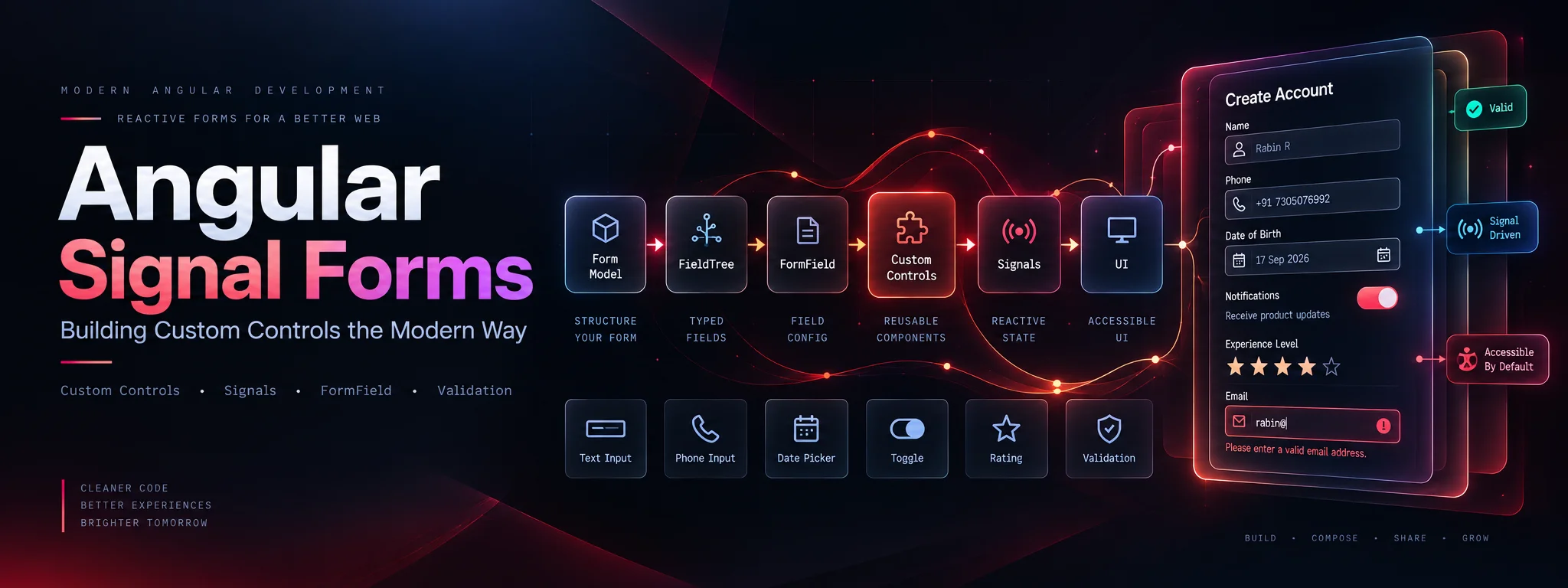
Connect custom inputs, toggles, phone fields and rating controls to Angular Signal Forms with reusable validation schemas and clear ownership of form state.
Insights
Positions taken from shipped production work — on Angular architecture, Signals, rendering performance and quiet interfaces.
Showing 12 articles
 Architecture
Connect custom inputs, toggles, phone fields and rating controls to Angular Signal Forms with reusable validation schemas and clear ownership of form state.
 Architecture
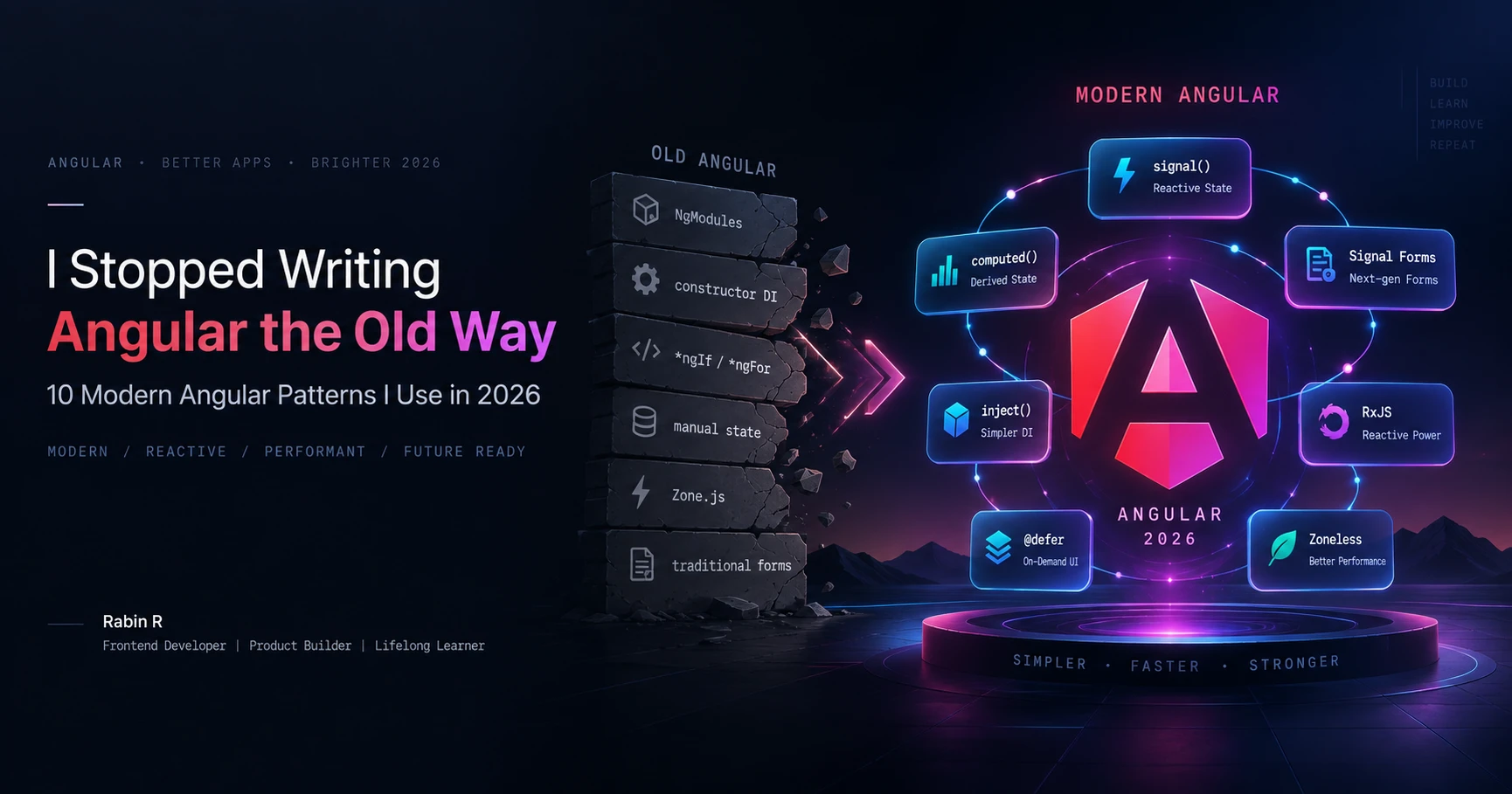
The modern Angular patterns I use in 2026, why I use them, and when I would choose something else. A practical guide to clearer state, dependencies, forms, rendering and feature architecture.
 Mobile
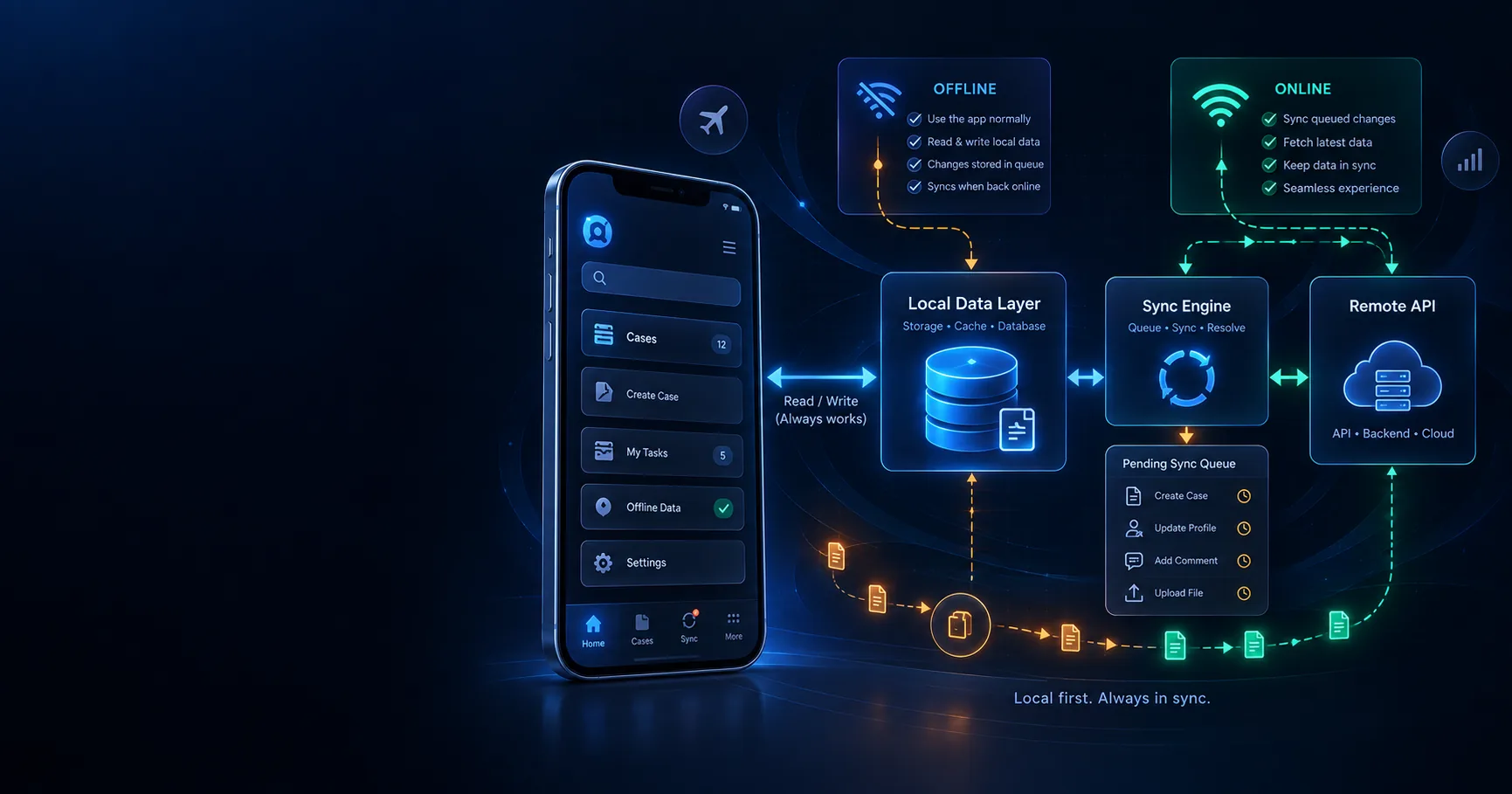
Reliable mobile apps need more than an offline error message. Cache useful data, preserve its age, queue safe mutations and tell users exactly what happened.
 Accessibility
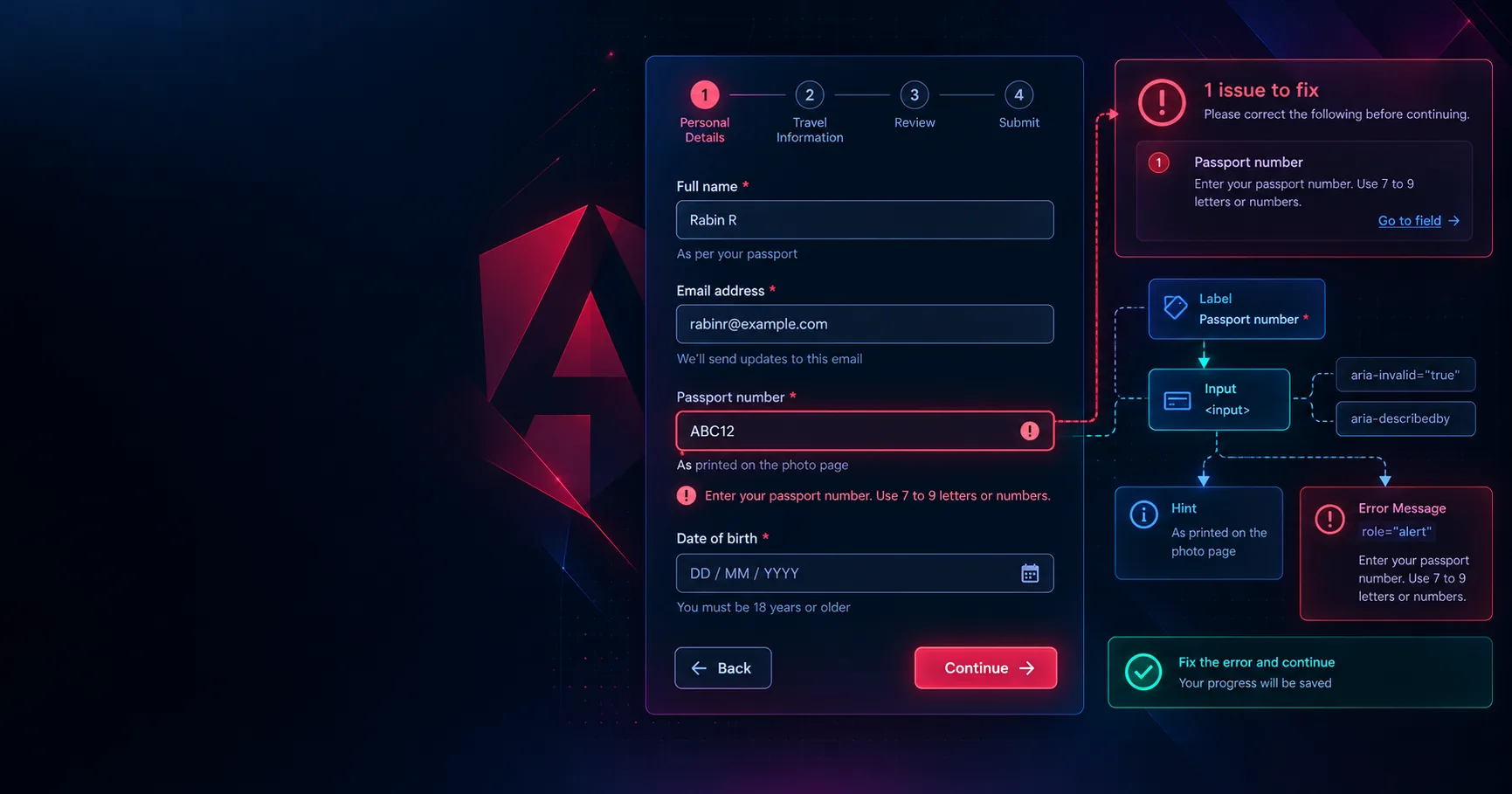
When a failed form costs users real time or opportunity, accessibility and recovery cannot be optional. Preserve input, make errors findable and explain exactly how to continue.
 Practice
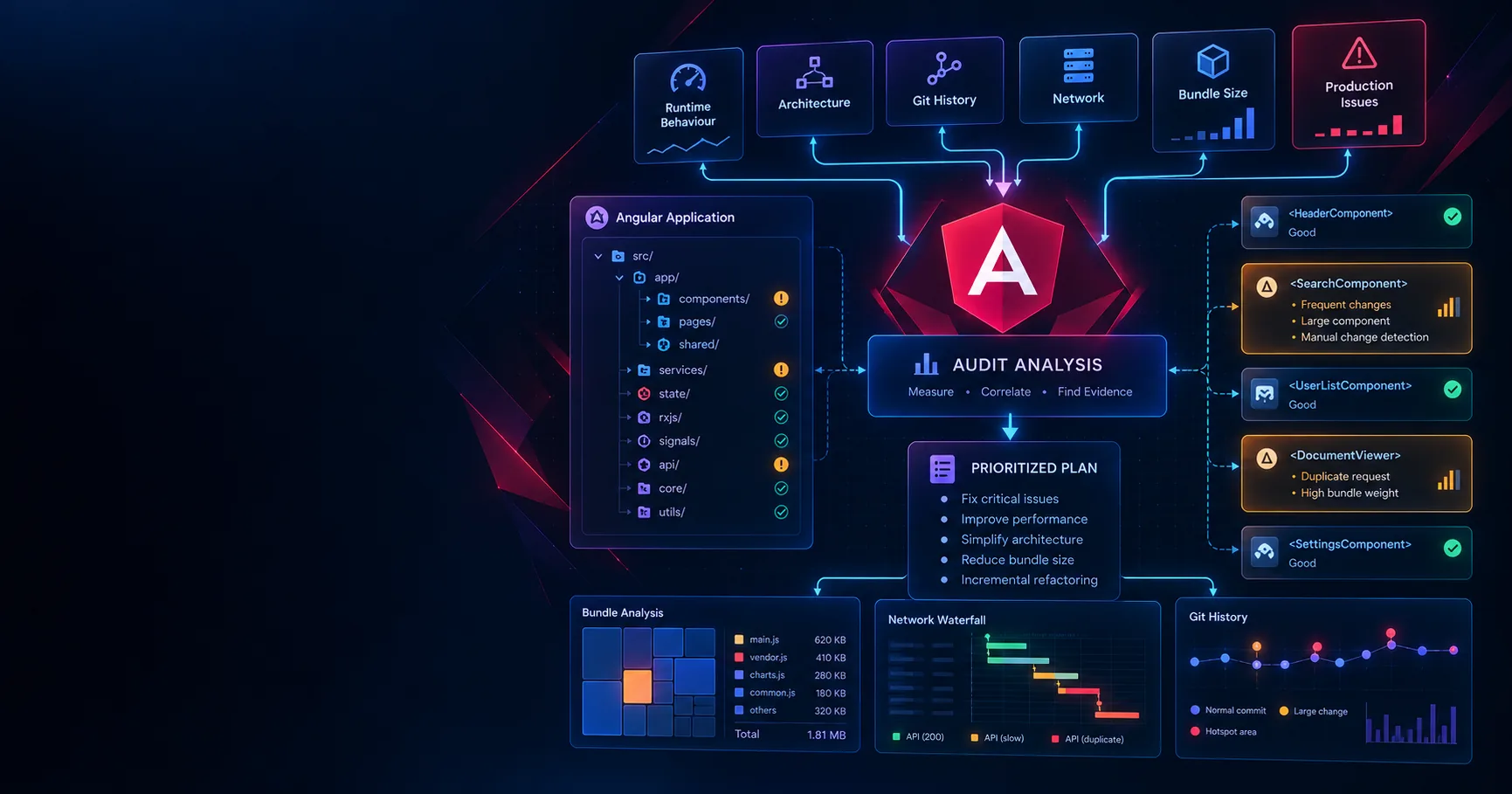
Before refactoring an inherited Angular application, understand where its real cost lives. Measure the application, architecture, history and runtime behaviour before proposing changes.
 Performance
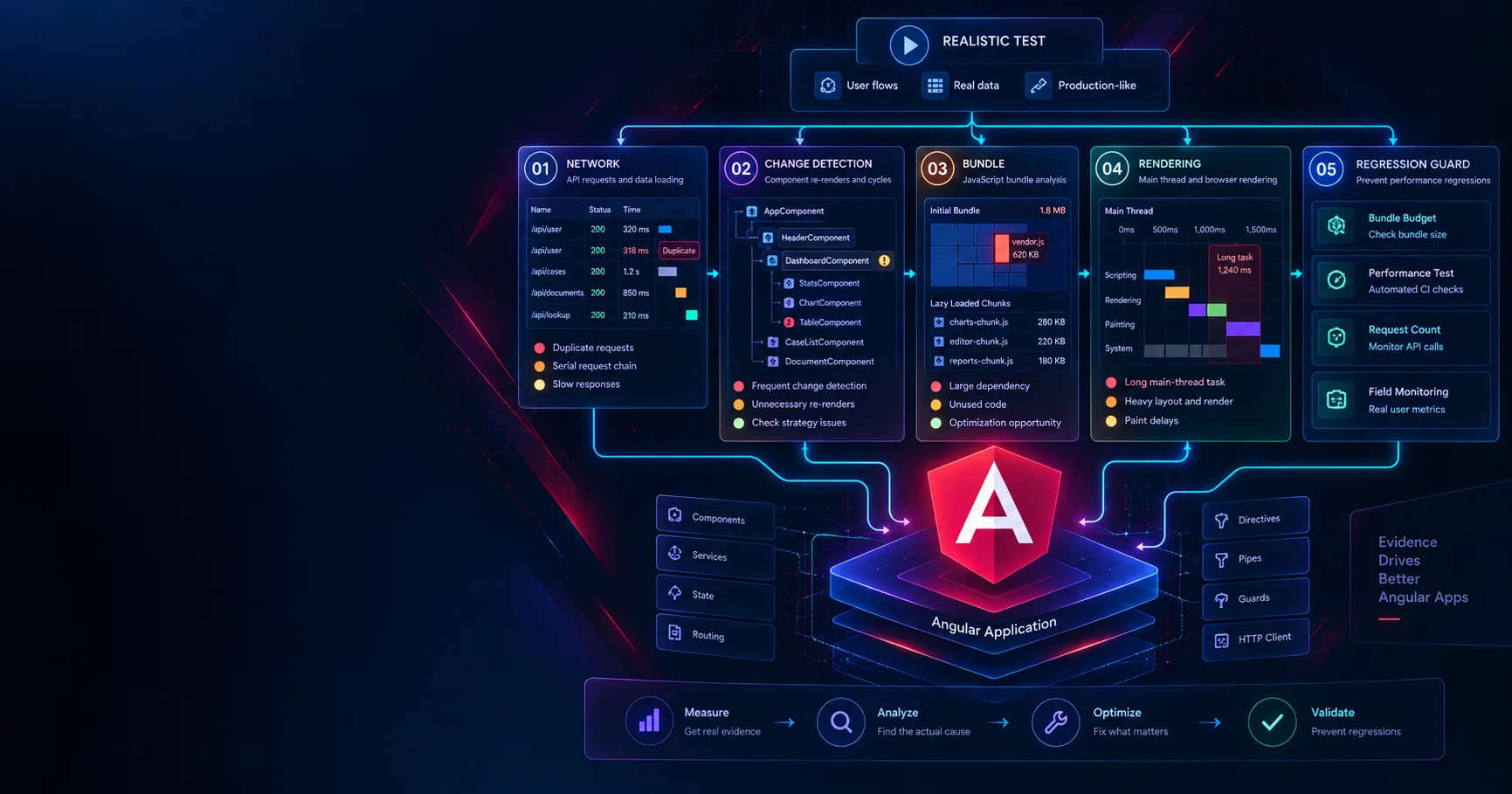
Angular performance work becomes much faster when you check the highest-probability causes first. Start with the network, then change detection, bundle cost and rendering.
 Architecture
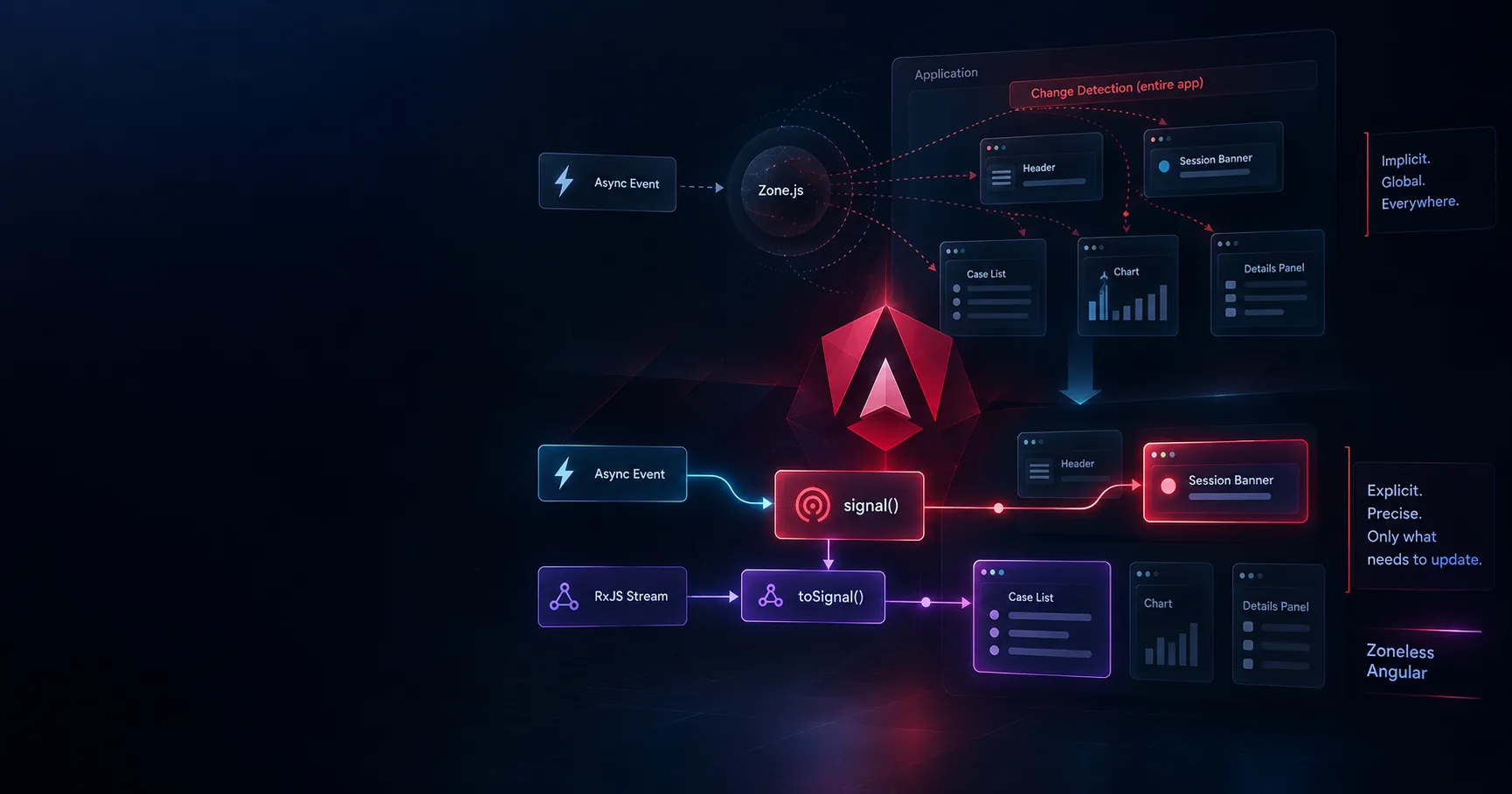
Going zoneless is the final step, not the first. Make Angular state changes explicit, fix async boundaries and migrate incrementally before removing Zone.js.
 Architecture
Most Angular UI state does not need a store. Start with a local signal, promote it when the application actually shares it, and introduce a store only when the architecture earns one.
 Performance
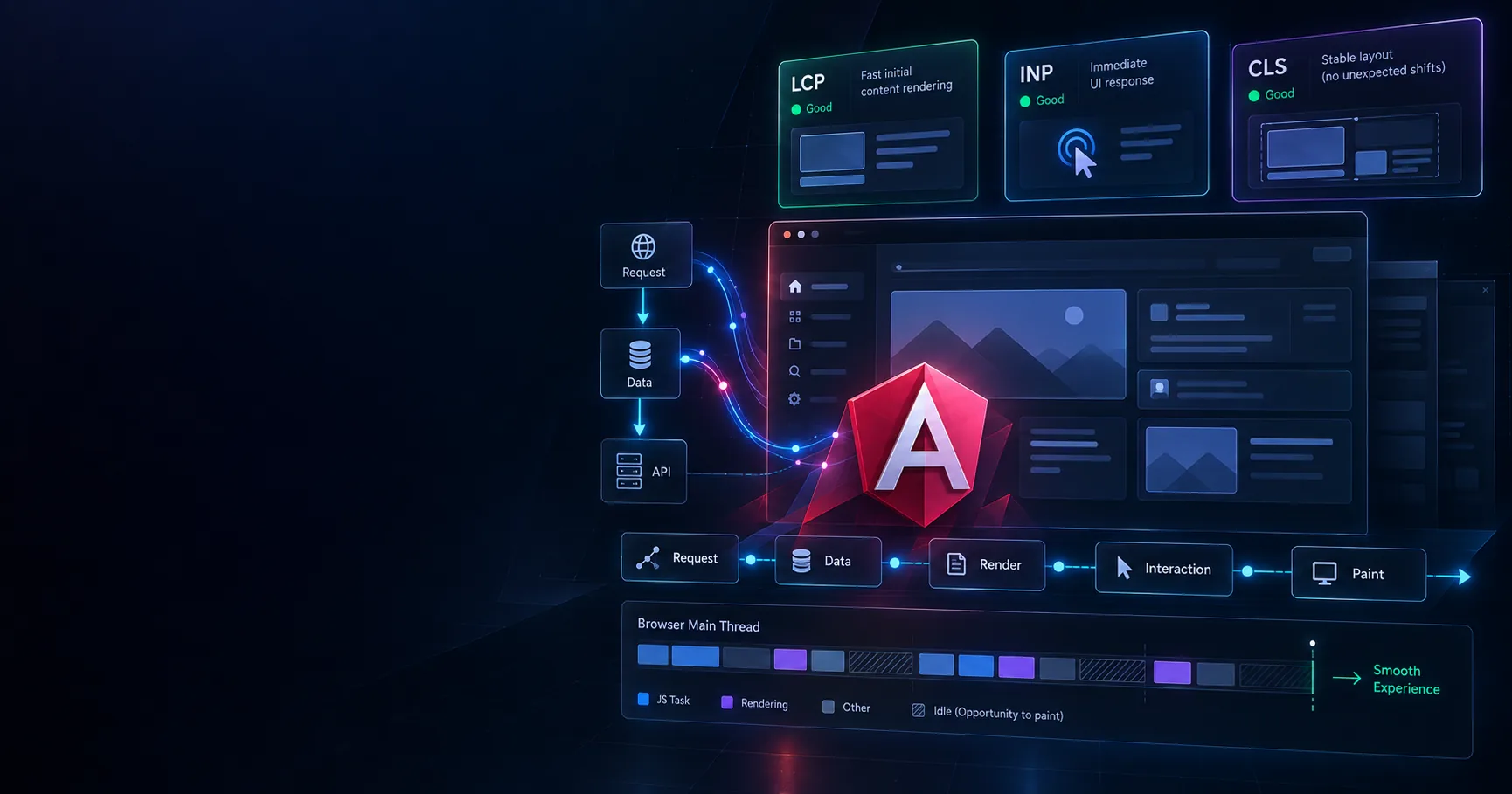
Angular performance is easier to protect while features are being built than to recover later. Treat loading, interaction delay and layout stability as part of the feature specification.
 Design
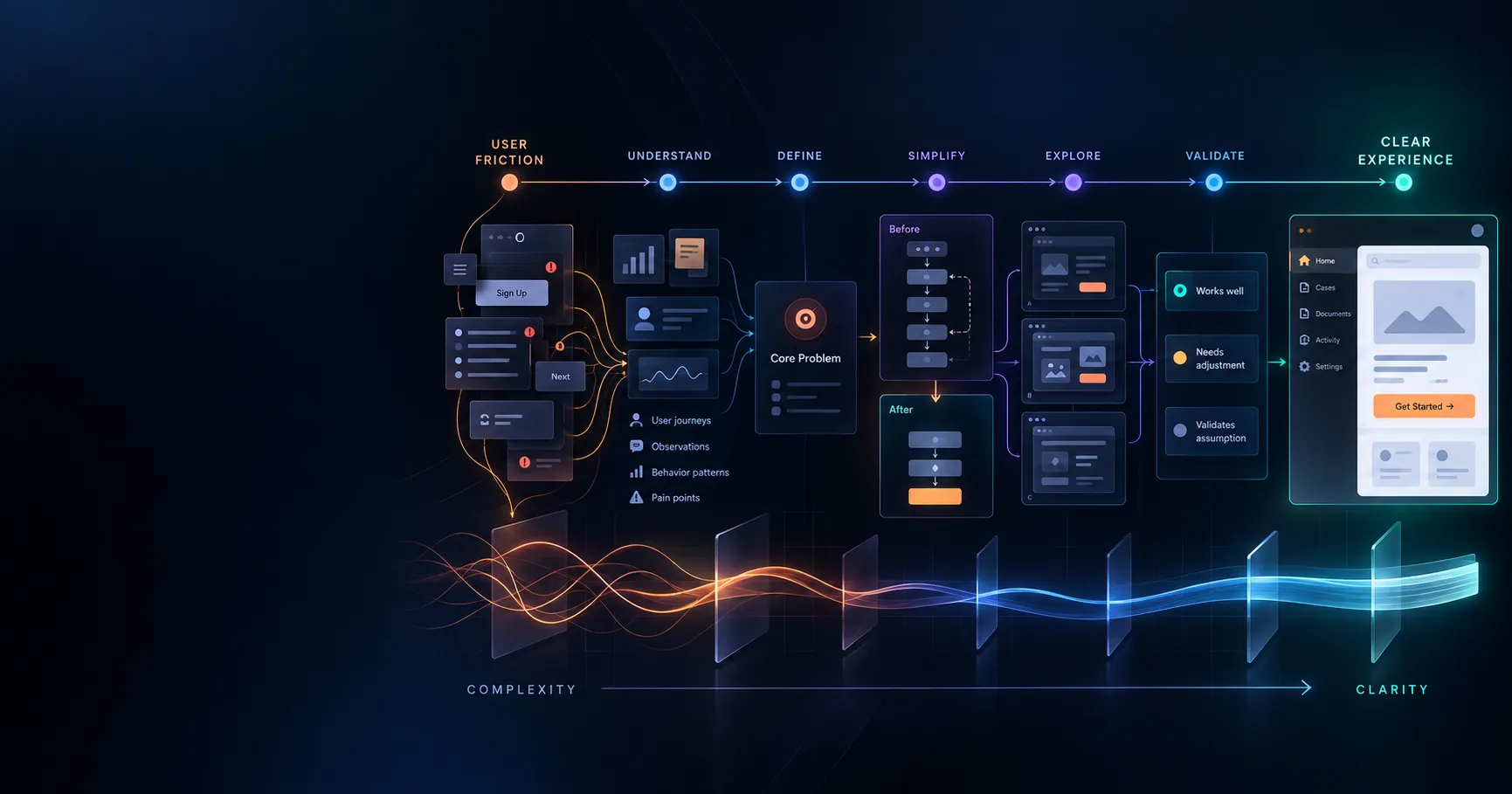
A better-looking interface is not automatically a better experience. My UX process starts by understanding why something is difficult before deciding what should be designed.
 Design
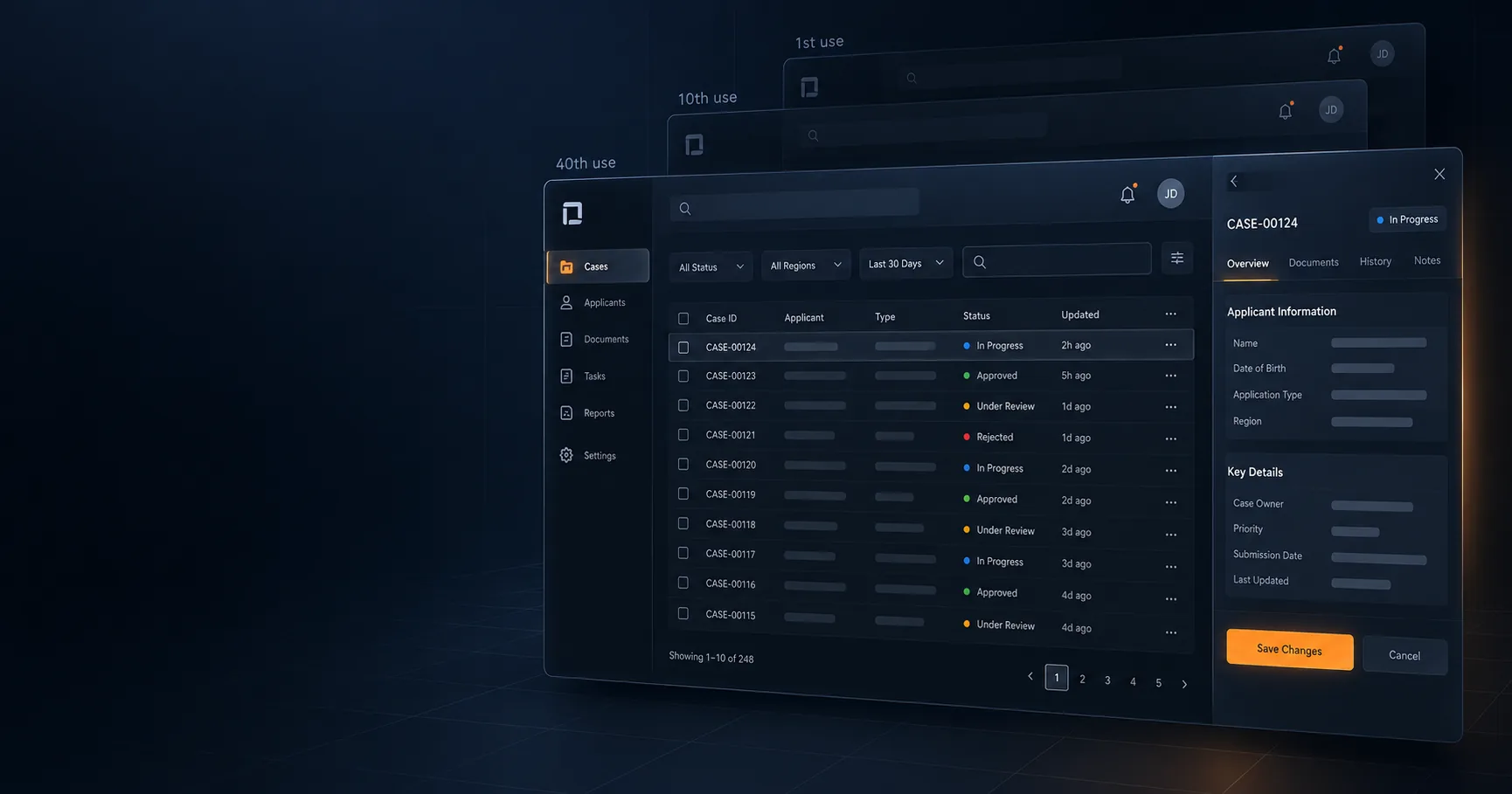
Enterprise interfaces are used repeatedly, often for years. Restraint in motion, colour, density and hierarchy makes complex software easier to understand and maintain.
 Performance
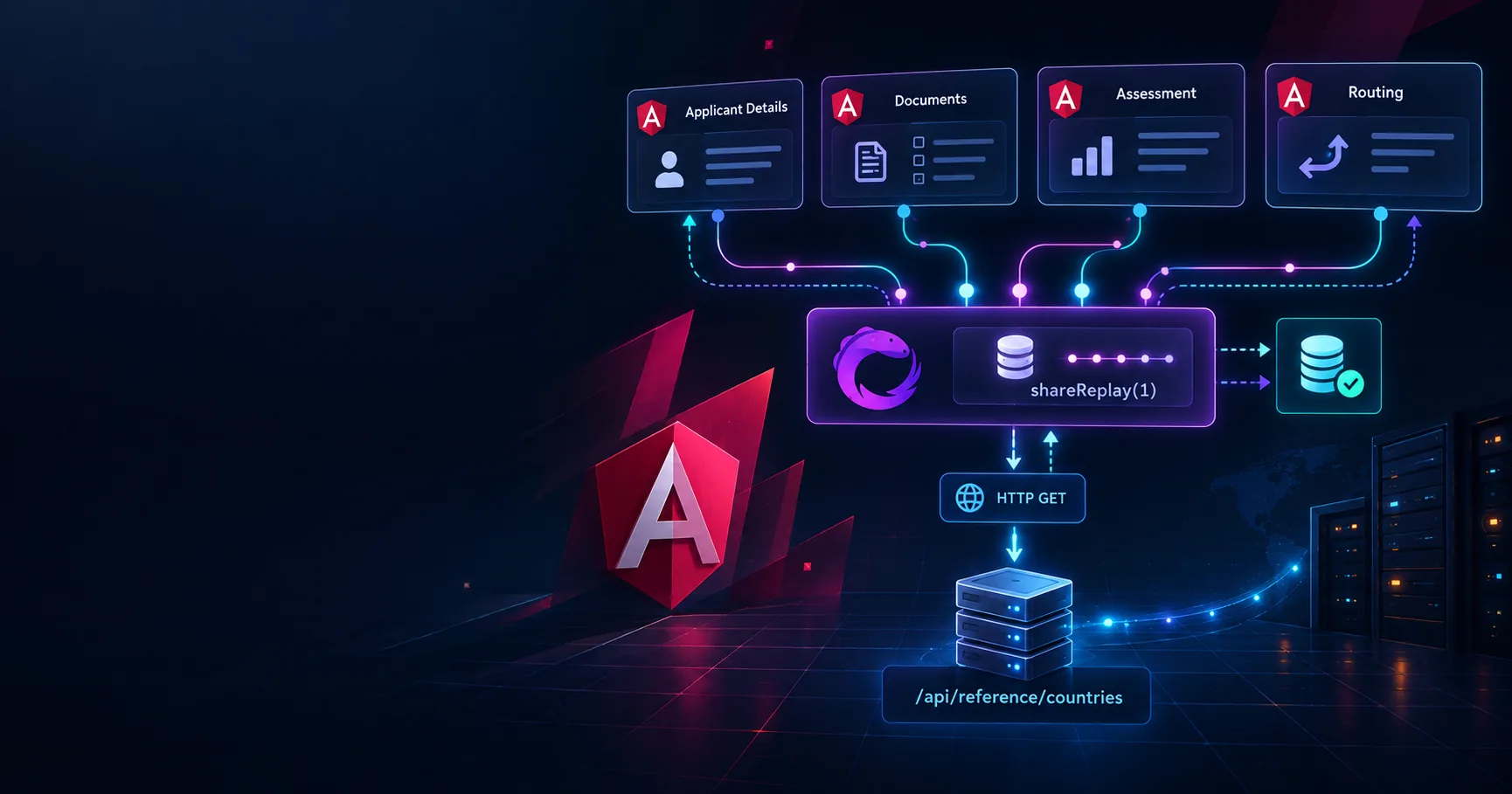
One enterprise Angular screen requested the same reference data five times. A shared RxJS caching layer removed the duplication without rewriting the consuming components.